

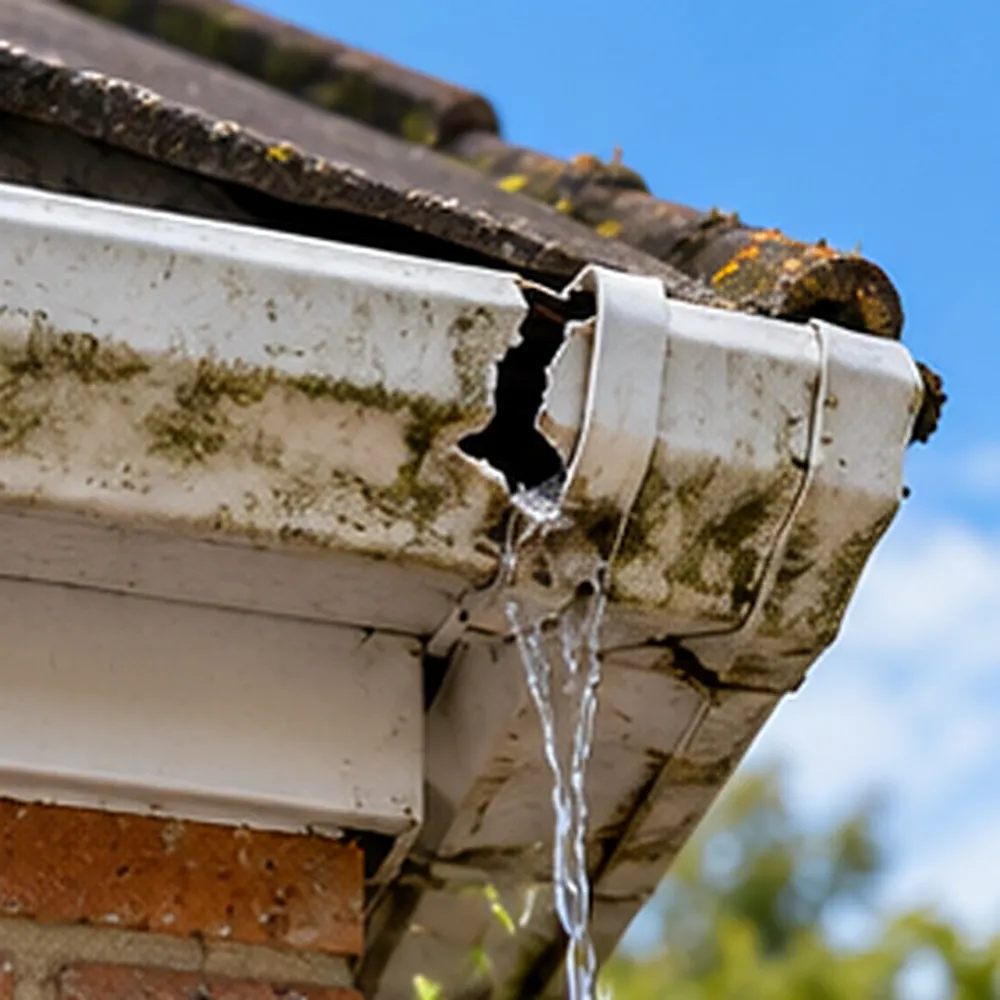
 Before
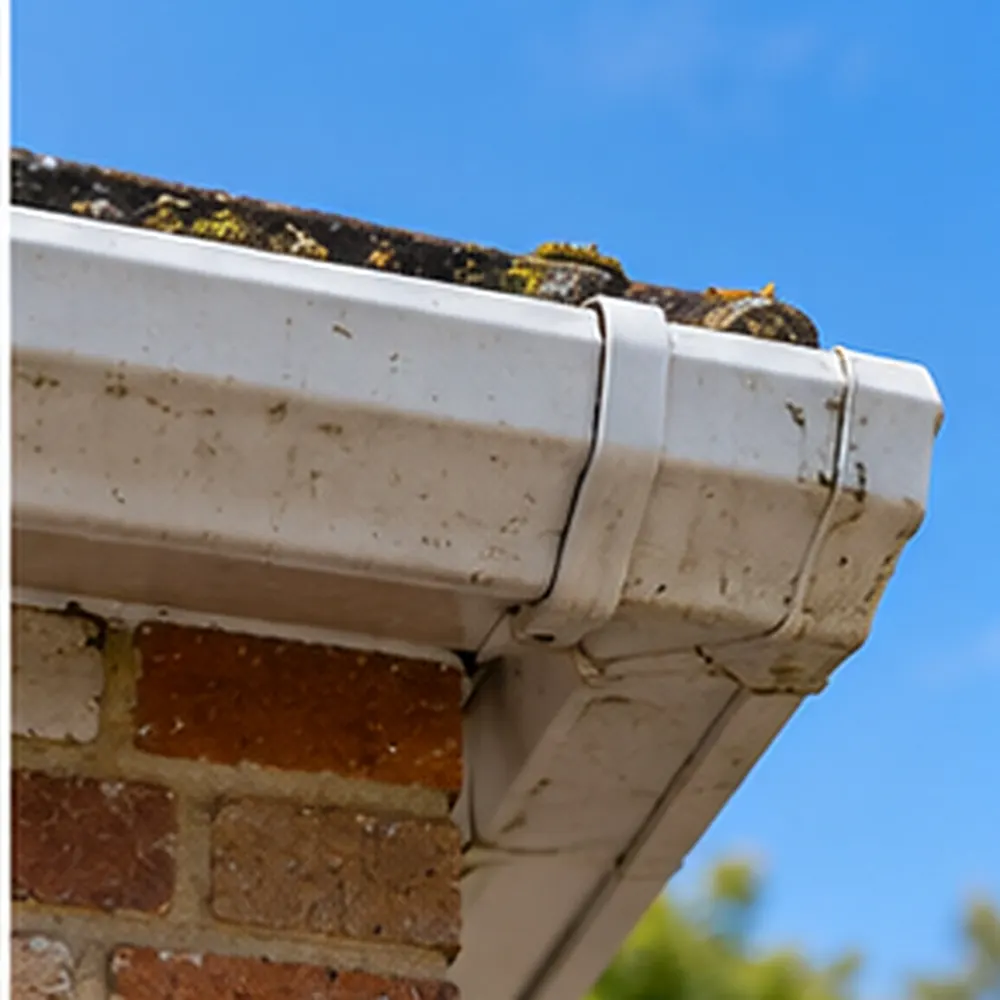 After
Why do gutters become loose, sag or detach from the fascia boards?
Gutters become loose, sag or detach from the fascia boards mainly because brackets fail under the weight of debris and standing water, or because the fascia board behind has rotted and can't hold the screws. Brackets spaced too far apart, ladders, wind and ice also play a part.

Updated November 2026
Compare guttering quotes
What do you need doing?
Your answers will be added to your quote request.
Our quote request form requires cookies to work. Please accept cookies to view the form and request a quote.
How this site uses cookiesLast step: how can contractors reach you?
Takes about 30 seconds.
Wet weather keeps gutter contractors busy and diaries can fill up quickly, so don't delay.
The quote form didn't load. This is usually caused by an ad blocker. Please pause it for this site and try again.
Your answers are in the form
We've put your answers into the description box on the form.
Tip: contractors can quote more accurately when they know more. Add which side of the house is affected, what you've noticed and anything that could make access tricky, such as a conservatory or a steep drive.
How does weight pull gutters loose?
Weight pulls gutters loose when they fill with wet leaves, moss, silt and water. A blocked gutter can weigh many times more than an empty one. The extra load bends brackets, pulls screws out of the fascia and opens up joints. Once one bracket fails, the load shifts to the next, so sagging tends to spread along the run.
Why do brackets fail?
Brackets fail because plastic becomes brittle with age and sunlight, metal brackets rust, and screws loosen as the gutter expands and contracts with temperature changes. Brackets fitted too far apart are another cause: manufacturers of uPVC gutters typically recommend about one metre between brackets, and closer spacing near corners and outlets.
How does a rotten fascia board cause problems?
A rotten fascia board causes problems because the gutter brackets are screwed into it. When timber stays wet, often from a leaking or overflowing gutter, it softens and the screws pull out. Older houses with painted timber fascias are most at risk, especially where the paint has failed. The gutter can then drop at one end or come away completely.
Can ladders and wind damage gutters?
Ladders and wind can both damage gutters. Leaning a ladder directly on a plastic gutter can crack it or snap a bracket. Strong winds can catch a loose section and lift it, especially at corners and on exposed houses facing open hills.
Does ice damage gutters?
Ice damages gutters when water trapped in a blocked or sagging gutter freezes. The ice adds weight and expands, which can split joints and push brackets out of line. Gutters that drain freely are much less affected.
How can you prevent gutters coming loose?
You can prevent gutters coming loose by keeping them clear, fixing leaks quickly so the fascia stays dry, and replacing damaged brackets before the sagging spreads. A yearly gutter clean gives a contractor the chance to check the brackets and fascia. If timber fascias are rotting, replacing them with uPVC can stop the problem coming back.
What should you do if a gutter is coming away?
If a gutter is coming away, keep people and cars away from below it and book a repair quickly. See gutter repairs to request quotes from local contractors.
More questions like this
- How much do homeowners in the UK usually pay for gutter repair?
- What is the most suitable season to schedule gutter repairs?
- Should you replace guttering that is more than 20 years old?
- What is the average price of repairing gutters that are sagging?
- How much do professional gutter repair services usually charge?
- Is it possible to fix sagging guttering without a full replacement?
- What causes guttering to leak or drip following heavy rainfall?
- Can homeowners carry out basic gutter repairs themselves?
Gutters need attention?
Describe the job in about a minute and compare local quotes.