

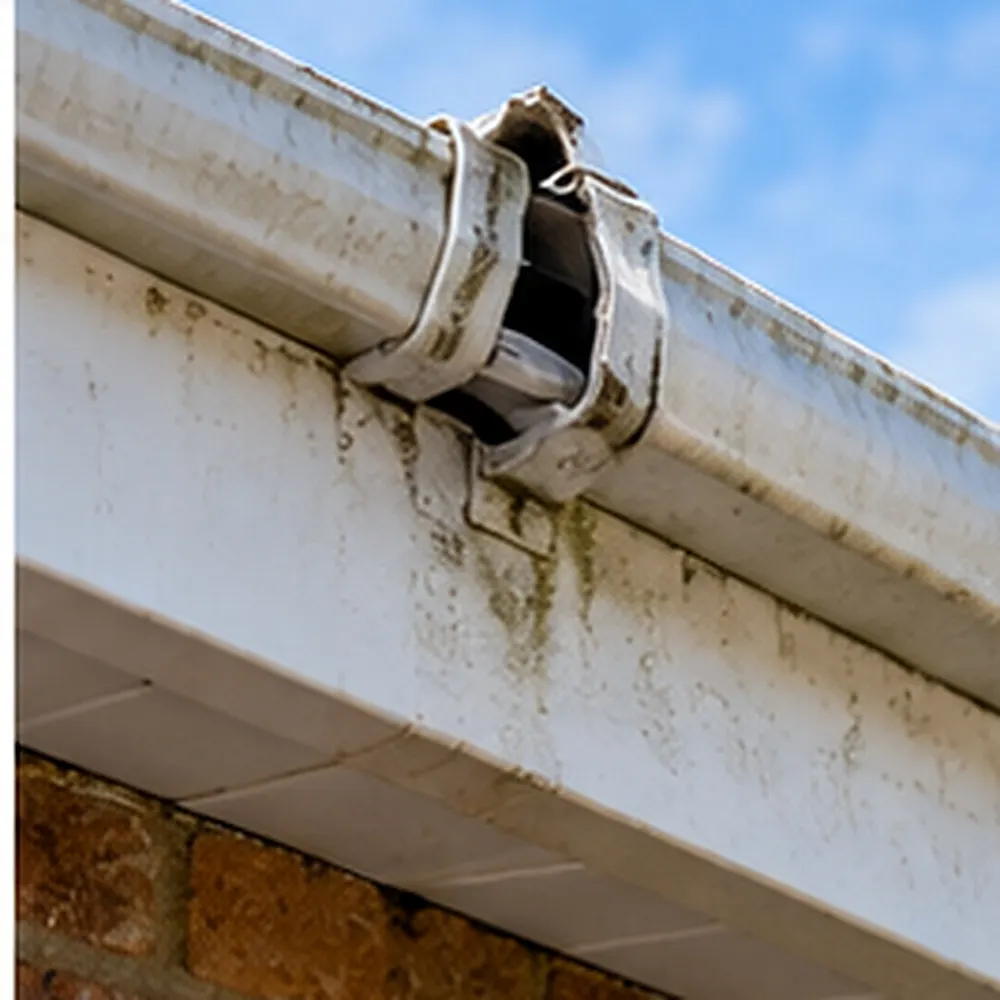
 Before
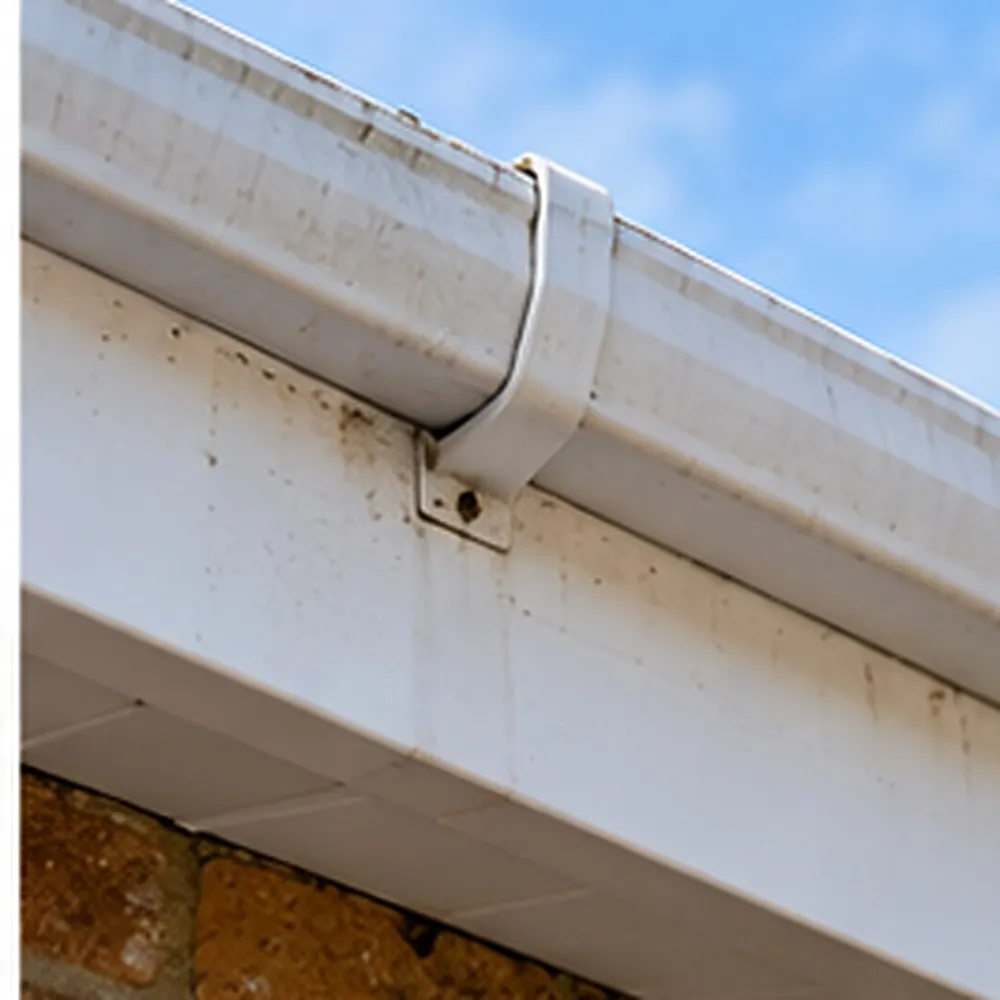 After
Can homeowners carry out basic gutter repairs themselves?
Homeowners can carry out basic gutter repairs themselves on single-storey buildings, such as replacing a uPVC joint, fitting a new bracket or clearing an outlet. On two-storey houses and above, or with cast iron gutters, it's safer to use a contractor.

Updated November 2026
Compare guttering quotes
What do you need doing?
Your answers will be added to your quote request.
Our quote request form requires cookies to work. Please accept cookies to view the form and request a quote.
How this site uses cookiesLast step: how can contractors reach you?
Takes about 30 seconds.
Wet weather keeps gutter contractors busy and diaries can fill up quickly, so don't delay.
The quote form didn't load. This is usually caused by an ad blocker. Please pause it for this site and try again.
Your answers are in the form
We've put your answers into the description box on the form.
Tip: contractors can quote more accurately when they know more. Add which side of the house is affected, what you've noticed and anything that could make access tricky, such as a conservatory or a steep drive.
Which repairs can you do yourself?
Repairs you can usually do yourself on a bungalow, garage or single-storey extension include:
- Replacing a uPVC joint union that's leaking. Unclip the gutter, fit a new union of the same profile and clip it back in.
- Fitting a new bracket where one has snapped, screwed into a sound fascia board.
- Replacing a stop end or outlet, if it matches your gutter profile.
- Clearing an outlet or downpipe with a gloved hand, a scoop or drain rods.
Take a broken part with you when buying a replacement, because gutter profiles and sizes vary between makes.
Which repairs are best left to a contractor?
Repairs best left to a contractor include anything above one storey, resetting the fall along a long run, repairing rotten fascia boards and any work on cast iron gutters, which are heavy and need two people to handle safely. Jobs above conservatories, over steep drives or near overhead cables should also go to a professional.
What safety rules should you follow?
You should follow these safety rules:
- Use a ladder in good condition, on firm, level ground, at the right angle.
- Don't lean the ladder on a plastic gutter; use a stand-off.
- Keep three points of contact and don't overreach. Move the ladder instead.
- Don't work alone, and have someone foot the ladder.
- Don't work in wind, rain or frost.
Falls from ladders cause serious injuries every year, and most two-storey houses are high enough to make a fall dangerous.
Is sealant a good DIY fix?
Sealant is a reasonable short-term DIY fix for a small crack or a leaking joint, but it rarely lasts. Sealant needs a clean, dry surface to stick, and gutters move as they warm and cool. Replacing the faulty joint or section is a more reliable repair.
What about gutters on a terrace?
Gutters on a terrace need extra thought, because your section joins your neighbours'. Changing a joint or bracket at the boundary affects their gutter too, so talk to them first.
When should you call a contractor?
Call a contractor if the repair is above one storey, the same leak returns, or you find rot behind the gutter. See gutter repairs to request quotes.
More questions like this
- How much do homeowners in the UK usually pay for gutter repair?
- What is the most suitable season to schedule gutter repairs?
- Should you replace guttering that is more than 20 years old?
- What is the average price of repairing gutters that are sagging?
- How much do professional gutter repair services usually charge?
- Is it possible to fix sagging guttering without a full replacement?
- What causes guttering to leak or drip following heavy rainfall?
- Why do gutters become loose, sag or detach from the fascia boards?
Gutters need attention?
Describe the job in about a minute and compare local quotes.