

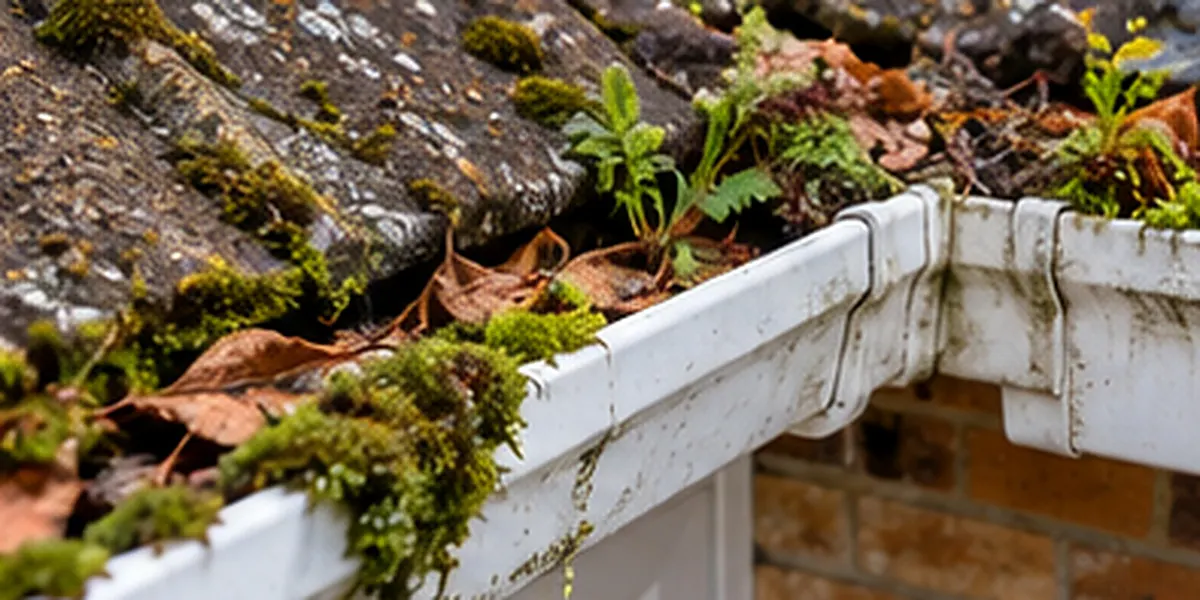
 Before
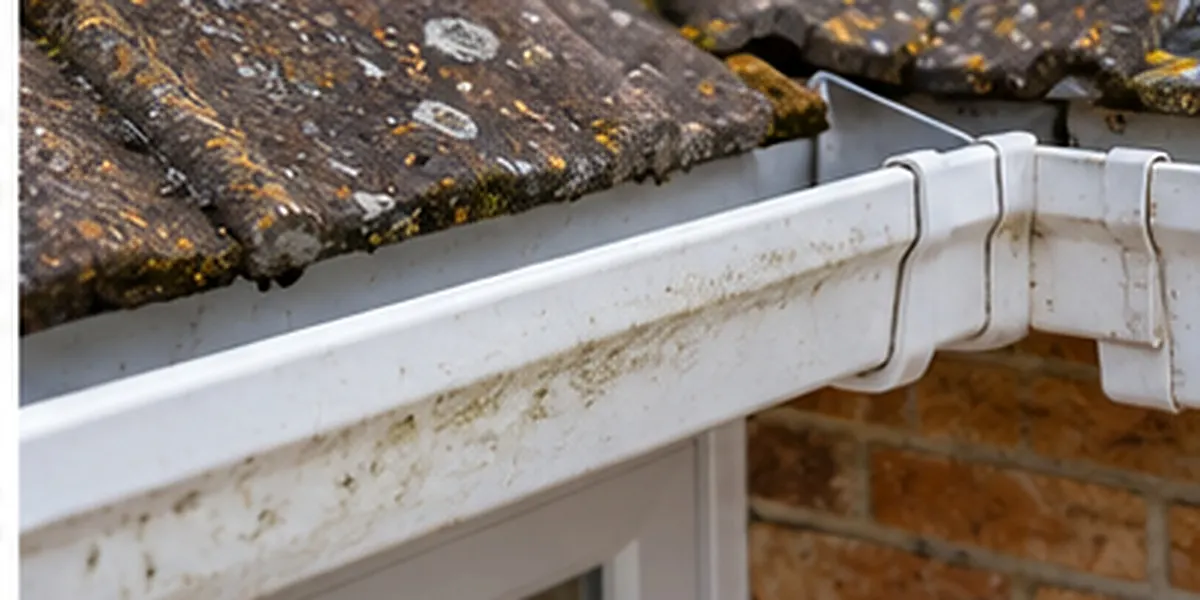 After
How can you recognise when your gutters are blocked?
You can recognise blocked gutters by water spilling over the edge when it rains, plants or moss visible above the gutter, and damp patches or streaks on the wall below. A downpipe that stays dry in heavy rain is another clear sign.

Updated November 2026
Compare guttering quotes
What do you need doing?
Your answers will be added to your quote request.
Our quote request form requires cookies to work. Please accept cookies to view the form and request a quote.
How this site uses cookiesLast step: how can contractors reach you?
Takes about 30 seconds.
Wet weather keeps gutter contractors busy and diaries can fill up quickly, so don't delay.
The quote form didn't load. This is usually caused by an ad blocker. Please pause it for this site and try again.
Your answers are in the form
We've put your answers into the description box on the form.
Tip: contractors can quote more accurately when they know more. Add which side of the house is affected, what you've noticed and anything that could make access tricky, such as a conservatory or a steep drive.
What should you look for when it rains?
When it rains, look for water pouring over the front edge of the gutter instead of running into the downpipe. Watch the joints and corners for drips, and check whether water comes out of the bottom of each downpipe. If a downpipe stays dry while the gutter above overflows, the outlet or the pipe itself is blocked. Rainy spells in Blackburn give plenty of chances to check.
What can you see from the ground on a dry day?
On a dry day, you can see several signs from the ground:
- Plants, grass or moss sticking up above the gutter line
- Sagging sections, where the gutter dips between brackets because it's heavy with debris
- Birds regularly visiting the gutter, often a sign of seeds, insects or nesting material
- Tide marks, green algae or streaks on the wall or fascia directly below a section of gutter
Binoculars help you see into the gutter from the far side of the street or the end of the garden.
What signs might you see indoors?
Indoors, a blocked gutter can show up as damp patches high on an outside wall, often in upstairs corners or above windows. Peeling paint, bubbling plaster and black mould in the same spot each winter are common signs. On older solid-walled terraces, damp from a blocked gutter can come through quickly.
What signs are there around the house?
Around the house, look for puddles or soil washed away beside the wall, splash marks on the lower wall, and moss or algae on paths directly below the gutter. A gurgling or banging noise from the downpipe during rain can mean it's partly blocked.
Is it safe to look inside the gutter yourself?
Looking inside the gutter yourself is safe only from a stable ladder on a single-storey roof. For higher gutters, a contractor with a camera on a vacuum pole can show you inside without anyone climbing, and many will send before-and-after photos.
What should you do if your gutters are blocked?
If your gutters are blocked, book a gutter clean soon, especially before winter. Long-term blockages can lead to leaking joints and sagging gutters, so mention any drips or sagging when you request quotes.
More questions like this
- What is the typical cost of having your gutters professionally cleaned?
- What is the best way to remove dirt and debris from gutters?
- Is it worthwhile paying a specialist to clean your gutters?
- What time of year is most suitable for gutter cleaning?
- What problems can blocked gutters cause to your home?
- How regularly should you book a professional gutter cleaning service?
- Is annual gutter cleaning necessary for every property?
- Do gutters fitted with leaf guards still need cleaning?
Gutters need attention?
Describe the job in about a minute and compare local quotes.